Towels are among the most frequently used textile products in daily life. They are found in homes, hotels, resorts, spas, fitness centers, swimming pools, hospitals and many other commercial environments. Although towels may appear simple, their quality is influenced by many factors, including fiber selection, yarn structure, fabric weight, weaving density, finishing processes and long-term washing performance.
As consumers and commercial buyers place greater emphasis on comfort, hygiene, durability and design, towel products are evolving from basic functional items into carefully developed lifestyle textiles. Manufacturers are now expected to deliver products that offer reliable absorbency, pleasant softness, stable quality and a visual style that matches different brands and application environments.
Comfort and Absorbency Remain Essential
The primary purpose of a towel is to absorb moisture quickly and comfortably. However, absorbency does not depend only on the thickness of the fabric. Fiber quality, yarn twist, pile height, weaving structure and finishing treatment all influence how efficiently a towel absorbs water.
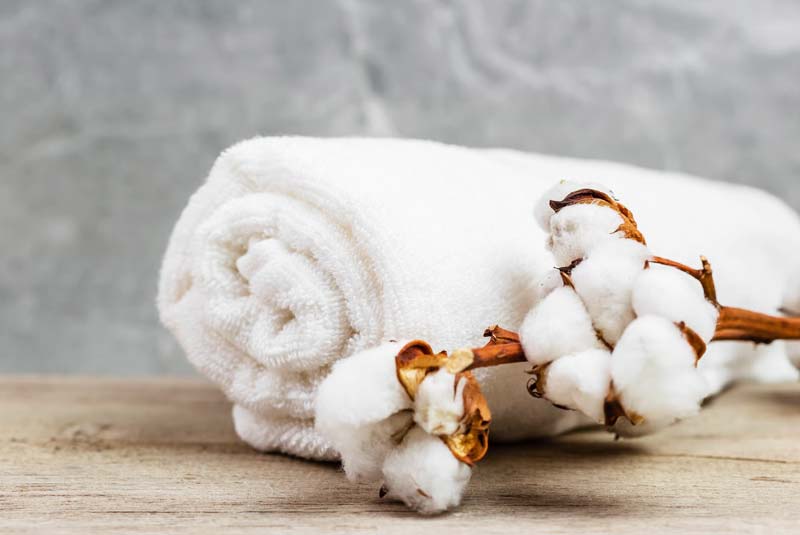
Cotton remains one of the most widely used materials in towel manufacturing because of its natural softness, breathability and moisture absorption. High-quality cotton fibers can create smoother and more durable yarns, helping towels achieve a softer hand feel and more consistent performance.
Longer cotton fibers are often preferred for premium towel collections because they can be spun into finer, stronger yarns. This can reduce surface roughness and improve the overall texture of the finished towel.
At the same time, manufacturers must carefully balance softness and durability. A towel that feels extremely soft at first may not always perform well after repeated washing. For this reason, professional towel development focuses on maintaining comfort throughout the product’s service life rather than only creating an attractive initial touch.
Fabric Weight Is Only One Measure of Quality
Towel weight is commonly measured in grams per square meter, often referred to as GSM. A higher GSM towel is generally thicker, heavier and more luxurious, while a lower GSM towel is usually lighter and dries more quickly.
However, GSM alone does not determine towel quality.
Two towels with the same GSM can perform very differently depending on the cotton quality, yarn strength, weaving density and finishing process. A well-constructed medium-weight towel may offer better absorbency and durability than a poorly made heavyweight towel.
Different applications also require different fabric weights. Luxury hotels and spas may prefer dense, plush towels that create a premium guest experience. Fitness centers, travel brands and fast-moving commercial environments may choose lighter towels that are easier to wash, dry and store.
The most suitable GSM should therefore be selected according to the target market, washing conditions, user expectations and operating costs.
Hotel Towels Require Stronger Durability
Hotels place particularly high demands on towels because the products are washed frequently and used by many different guests. A hotel towel must remain soft and absorbent while also resisting shrinkage, deformation, loose threads and edge damage.
Commercial laundry processes often involve higher temperatures, stronger detergents and more intensive mechanical action than household washing. Towels designed for hospitality use must therefore have stable fabric structures and reinforced construction.
Double-stitched hems, strong border weaving and carefully controlled dimensions can help extend product life. Consistent dyeing and finishing processes are also important for maintaining a uniform appearance across large quantities.
For hotels, towel durability is directly connected to operating costs. A towel with a lower purchase price may not provide real savings if it needs to be replaced frequently. Longer-lasting towels can reduce replacement rates, simplify inventory management and lower the total cost of ownership.
For this reason, hotel buyers increasingly evaluate towels based on long-term performance rather than price alone.
Different Environments Need Different Towels
The towel market includes a wide range of products developed for specific situations.
Bath towels are usually designed to provide full-body coverage and strong absorbency. Hand towels are smaller and need to combine quick drying with frequent-use durability. Face towels should feel gentle against the skin and maintain a smooth surface.
Pool and beach towels are often larger and may feature brighter colors, woven patterns or distinctive branding. They should provide effective drying while remaining practical to carry, store and wash.
Spa towels usually emphasize softness, comfort and a clean visual appearance. Neutral colors such as white, beige, gray and soft earth tones are commonly used to create a relaxing environment.
Gym and sports towels are often lighter and more compact. Quick-drying performance, portability and repeated-washing resistance are especially important in these applications.
Kitchen towels require a different balance of absorbency and strength. They need to handle water, food preparation and repeated cleaning without losing their structure.
Understanding the intended application allows manufacturers to recommend the right material, size, weight, color and construction for each customer.
Microfiber Towels Continue to Expand into Professional Applications
Although cotton remains dominant in bath and hospitality towels, microfiber has become increasingly important in professional cleaning, automotive care, sports and travel applications.
Microfiber towels are made from very fine synthetic fibers that can create a large contact surface. This structure allows them to absorb moisture, capture dust and clean surfaces efficiently.
In automotive care, microfiber towels are used for drying, polishing, waxing and interior cleaning. Different pile heights and fabric structures are selected for specific tasks. A soft, high-pile microfiber towel may be suitable for paintwork, while a shorter-pile towel may be preferred for glass or interior surfaces.
Microfiber products are also lightweight and quick-drying, making them practical for travel, fitness and outdoor use.
However, material selection should always match the intended purpose. Cotton towels are often preferred for skin contact and hospitality comfort, while microfiber products may provide stronger advantages in cleaning efficiency and drying speed.
Color and Design Influence Brand Experience
Towels are increasingly used as visual elements within hotels, homes, spas and retail collections. Color, border design, texture and packaging can all influence how customers perceive the product.
White remains a popular choice in hotels because it creates a clean, professional and timeless appearance. It is also easier for housekeeping teams to identify stains and manage standardized laundry processes.
Colored towels can help brands create a distinctive visual identity. Neutral tones work well in modern interiors, while richer colors may be used for resorts, beach clubs, gyms and lifestyle retail collections.
Decorative borders, jacquard patterns, dobby designs and contrasting details can make towels more recognizable without reducing their functionality.
A coordinated collection may include bath towels, hand towels, face towels, bath mats and bathrobes in matching colors and materials. This helps hotels and brands create a consistent guest or customer experience.
Customization Is Becoming More Important
More buyers are looking for towel products that reflect their own brand identity. As a result, OEM and ODM towel services have expanded beyond simple size or color changes.
Customization options may include:
- Embroidered logos
- Woven logos and jacquard patterns
- Custom colors
- Special borders
- Private labels
- Customized packaging
- Product sets in coordinated sizes
- Retail-ready gift boxes
- Hotel-specific product specifications
Embroidery is commonly used for hotels, spas, clubs and promotional products because it provides a professional and recognizable appearance. Jacquard weaving can integrate patterns or logos directly into the fabric, creating a more subtle and durable brand presentation.
Packaging is also becoming more important, especially for retail and e-commerce customers. Well-designed packaging can protect the product, improve shelf presentation and communicate material, size and care information more clearly.
For international buyers, a capable towel supplier should be able to support product development from initial concept and sampling through bulk production, inspection and shipment.
Quality Control Supports Consistent Bulk Orders
Producing a sample towel is relatively straightforward. Producing thousands of towels with consistent color, weight, size and appearance requires much stronger process control.
Quality management begins with raw material inspection. Cotton quality, yarn consistency and color accuracy should be checked before production begins.
During weaving, manufacturers need to monitor fabric density, pile formation, width and surface condition. Dyeing and finishing must be controlled carefully to avoid uneven shades, excessive shrinkage or inconsistent softness.
After sewing, finished towels should be inspected for:
- Correct dimensions
- Stable fabric weight
- Neat hems
- Secure stitching
- Uniform color
- Clean surfaces
- Accurate labels
- Correct packaging
Batch consistency is particularly important for hotel chains, distributors and retail brands. Customers expect products delivered at different times to maintain the same specifications and visual appearance.
Clear production standards and detailed inspection procedures help reduce quality differences and support long-term cooperation.
Care Instructions Affect Towel Performance
Even a well-manufactured towel can lose softness and absorbency if it is washed incorrectly.
Excessive fabric softener can coat the fibers and reduce their ability to absorb moisture. Overloading washing machines can prevent towels from rinsing properly, while excessive drying temperatures may damage fibers and increase shrinkage.
To maintain towel performance, users should follow the recommended washing temperature, use an appropriate amount of detergent and avoid unnecessary chemical treatments.
Hotels and commercial laundries should also test washing programs according to towel material, color and weight. A carefully managed laundry process can extend product life while maintaining hygiene and comfort.
For suppliers, providing clear care instructions can help customers achieve better long-term results and reduce avoidable product damage.
Sustainability Is Shaping Towel Development
Sustainability has become an important consideration for textile brands, hospitality groups and international buyers. Customers are paying more attention to raw material sourcing, water usage, energy consumption, packaging and product life.
One of the most practical ways to improve sustainability is to produce towels that last longer. Durable products reduce the need for frequent replacement and help lower textile waste.
Manufacturers are also exploring recycled packaging, more efficient dyeing processes, responsible material sourcing and production systems that reduce water and energy consumption.
Some buyers are interested in recycled fibers or certified cotton, while others focus on reducing packaging materials and optimizing transportation efficiency.
Sustainable towel development should balance environmental goals with performance. Products must still provide reliable absorbency, softness, durability and safety throughout their intended use.
The Future of the Towel Market
The towel industry is continuing to develop in response to changing consumer preferences and commercial requirements. Comfort and absorbency remain fundamental, but buyers now expect much more.
Modern towels must combine attractive design, reliable quality, application-specific performance, efficient production and flexible customization.
Hotels want products that improve guest comfort while controlling long-term operating costs. Retail brands need coordinated collections and distinctive packaging. Professional cleaning and automotive markets require specialized materials and structures. Consumers increasingly look for products that are comfortable, durable and responsibly produced.
Manufacturers that understand these different needs will be better positioned to serve global buyers. Strong material knowledge, product development, quality control and supply chain management will remain essential.
A towel may be an everyday product, but its design and manufacturing involve a detailed balance of comfort, function, durability and style. As market expectations continue to rise, towel suppliers will need to provide not only products, but complete and reliable textile solutions.