On this page
A white hotel towel that turns grey usually needs a closer look at washing, rinsing and soil transfer before it needs a stronger whitening treatment. Grey colour can come from material carried through the wash, residues left on the fabric, or general wear. Those causes do not all respond to the same remedy.
Start by separating the towel from coloured items and checking the detergent and washer instructions. Make one change at a time. Pouring several stain removers into the same load can make the result harder to understand and may conflict with the product labels.
Decide whether the change is all over or in patches
Spread the dry towel in good daylight. An even grey cast across the whole surface suggests a different investigation from a dark area near one edge or a mark where makeup was wiped away. Look at the hems and woven band as well as the pile, because texture and shadow can make some areas appear darker.
Compare it with an older photograph only if the lighting is similar. Phone cameras often adjust colour and brightness automatically, so a screen comparison can exaggerate a change. A clean white object placed nearby may help you notice the general tone, but it does not identify the chemical cause.
Write down when the change first appeared. Was it after a mixed-colour load, a new detergent, several washes, or a period in storage? A simple timeline narrows the possibilities. It also prevents a slow change from being blamed on the last product you happened to use.
Check whether another item shared its colour
A white towel can pick up colour from other laundry. The source does not have to be a bright red garment that produces an obvious pink stain. Darker fabrics, washcloths or coloured towels can contribute a less dramatic cast, especially when a new item is washed for the first time.
Read the care labels and sort before the next load. Keep white towels with compatible white items rather than relying on a general mixed-load setting to prevent transfer. Sorting by colour is not a guarantee against every change, but it removes an avoidable variable.
If a clear colour-transfer incident has just happened, check the towel and treatment instructions before drying or applying heat. Use a product intended for the fabric and problem, following its directions. Avoid improvised mixtures or assuming that every white towel is safe for the same bleaching process.
Give the washer room to do its work
A tightly packed drum can make it harder for water and detergent to reach and rinse the fabric as intended. Towels occupy more space when wet and need the loading conditions specified by the machine. A load that fits physically is not necessarily an appropriate load for the selected programme.
Try reducing the load to a suitable amount and choosing the correct cycle for the label and machine. Do not use a very short refresh programme for heavily soiled towels simply because they look mostly clean. The cycle needs to match the actual job.
Check the dispenser as well. Old detergent or softener can accumulate there, and a neglected drawer can complicate the routine. Follow the washer manufacturer’s cleaning instructions. Cleaning the machine is not a promise that a grey towel will become white, but it helps remove a source of uncertainty before you buy more treatments.
More detergent is not automatically more cleaning
Use the detergent’s guidance for load size, soil level and water conditions. A small load does not need the same amount as a larger, dirtier one. Equally, too little detergent for the actual conditions can leave soil behind. The useful adjustment is the correct dose, not simply less or more in every case.
If the towel feels coated, slick or unexpectedly stiff, make a note alongside the colour change. Those sensations may support checking the rinse and product use, but they do not prove a single cause. Avoid diagnosing the fabric by touch alone and immediately adding a second chemical product.

For the next trial, keep the load compatible, follow the stated dose and use the programme recommended for the fabric. If the machine instructions allow an appropriate additional rinse and residue remains a concern, that can be a controlled change to consider. Keep a record of what you altered and how the towel looked when fully dry.
Read the bleaching symbol before treating white fabric
White colour is not permission to use chlorine bleach. The towel’s fibre blend, finishes, embroidery or trim may introduce limitations. Check the care label on the actual towel and the directions on the treatment product. When either is unclear, ask the manufacturer before proceeding.
The FTC’s care-symbol chart is a useful reference for common washing and bleaching symbols. Use it to interpret the label, rather than as an instruction to apply one treatment to all household textiles.
Never mix household cleaning products to create a stronger whitening bath. Follow one suitable product’s directions, including dilution, contact time, ventilation and rinsing. A towel that has become less white is not a reason to improvise a chemical recipe, and no home treatment can be promised to restore every grey cast.
Match the next action to what you observed
Work from the pattern of the change and the recent laundry history. The point is to remove likely causes before repeating the same wash or escalating the treatment. If several towels changed together, investigate the shared process as well as the individual cloth.
| Observation | Check first | A measured next step |
|---|---|---|
| Grey cast appeared after a mixed-colour load | Whether new or dark items were included | Separate compatible white laundry and follow transfer-treatment guidance |
| Towel feels coated as well as dull | Detergent dose, softener use and rinse instructions | Trial the correct dose with an appropriate load |
| Only one local area is dark | What touched that area | Use fabric-compatible spot treatment after a discreet test |
| Several white items dull gradually | Loading, water conditions and routine maintenance | Review the whole wash process rather than one towel |
| Fabric is thinning and edges are worn | Age and physical condition | Decide whether useful service remains instead of repeated harsh treatment |
Accept that wear and staining are different
Repeated use changes a towel’s appearance. Flattened loops, thinning areas and damaged edges can make an old towel look less bright even when it is properly clean. Whitening does not rebuild missing pile or repair worn hems. Before running another treatment, inspect whether the towel still performs its job comfortably.
A small permanent mark may be purely cosmetic. You may be happy to keep that towel for your own use while reserving a more presentable one for guests. On the other hand, a towel with significant physical damage may need to be retired from its original role even if its colour can be improved.
Avoid converting visual whiteness into a claim about hygiene. A bright white appearance alone does not prove how an item has been laundered, and a grey cast alone does not establish a health risk. Follow a sensible label-led washing and drying routine, and seek specific advice if an unusual contamination problem is involved.
Keep the next white towel easier to assess
When buying a replacement, keep the care information and record the product details. Wash according to the label before first use, and avoid changing the entire laundry routine at the same time. That gives you a clearer baseline if the appearance changes later.
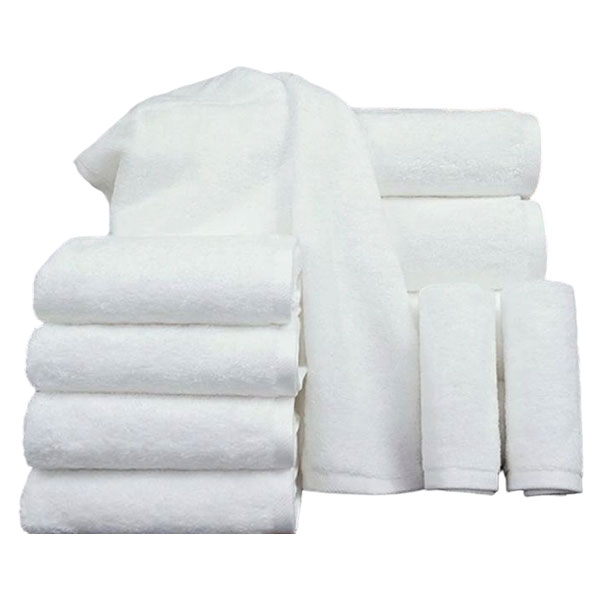
The site’s white cotton terry hotel towel style provides one option to compare. Ask for clarification of any material or care detail that affects your routine. The cotton towel collection also includes other looks if maintaining an exact white shade is not your main priority.
Use the form below for product-specific care information or help comparing available styles. Describe the issue plainly: when the grey cast appeared, what shared the wash and what the label permits. Those details are more useful than asking for the strongest possible whitening method.
Will bleach always make a grey white hotel towel bright again?
No. Results depend on the cause, fabric condition and treatment compatibility. Read the towel and product labels first. Some white textiles do not permit chlorine bleach, and repeated treatment will not repair thinning fabric or damaged pile.
Is grey colour a sign that the towel is dirty?
Colour alone cannot establish the cause or the cleaning result. Soil, transferred dye, residues and wear can affect appearance. Review the washing history and physical condition instead of deciding from shade alone, especially if several different items have changed.
Should I wash white towels at the hottest setting?
Use the temperature permitted for the actual towel and suitable for the job. A hotter setting is not automatically compatible with trims, finishes or every stain. The machine and detergent instructions also matter, so avoid a universal temperature rule.
Can softener be the reason a towel looks dull?
Product buildup is one possibility to investigate when feel and performance change, but a dull appearance does not identify softener as the cause. Check the whole routine, including dose, loading and rinsing. Make a controlled change rather than adding another treatment immediately.
When should I replace a grey towel?
Consider function and condition, not colour alone. A cosmetic change may be acceptable for personal use. Thinning, uncomfortable areas, failed hems or damage that prevents ordinary use are more concrete reasons to replace the towel or change its role.